
Flowers capture fleeting moments of beauty, but with the right preservation methods, they can become timeless keepsakes. From age old traditions to cutting edge innovations, let’s explore how different techniques keep blooms alive in memory.
Traditional Methods
-
Air Drying: One of the oldest techniques. Flowers are hung upside down in a dry, dark space until moisture evaporates. This method is simple and cost-effective, but colors often fade and petals become brittle.
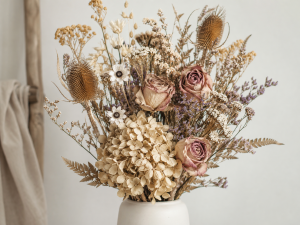
-
Pressing: Popular for creating art or keepsakes. Flowers are flattened between heavy books or specialized presses. Pressed flowers retain some color and shape but lose their three-dimensional beauty.
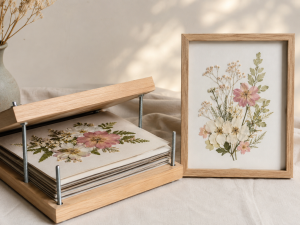
Pros: Accessible, inexpensive, nostalgic. Cons: Fragile results, limited design possibilities.
Modern Techniques
-
Resin Casting: Flowers are encased in clear resin, creating jewelry, coasters, or decorative pieces. Resin preserves color and shape while adding durability.
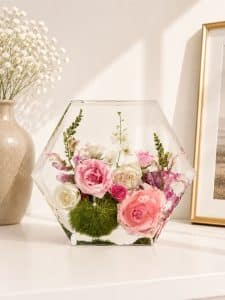
-
Freeze Drying (Lyophilization): A high tech process that removes moisture while maintaining the flower’s original form and vibrant color. Often used for wedding bouquets or luxury arrangements.
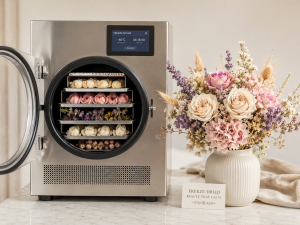
Pros: Long lasting, visually stunning, versatile. Cons: Requires specialized equipment, higher cost.
Choosing the Right Method
-
For sentimental keepsakes like wedding bouquets, resin casting and freeze drying offers unmatched quality.
-
For DIY projects, pressing and drying are perfect starting points.
-
For functional art, resin casting transforms flowers into everyday treasures.
Whether you prefer the rustic charm of pressed petals or the modern elegance of resin domes, flower preservation bridges the gap between memory and artistry. Each method tells a story of tradition, innovation, and the desire to hold onto beauty a little longer.
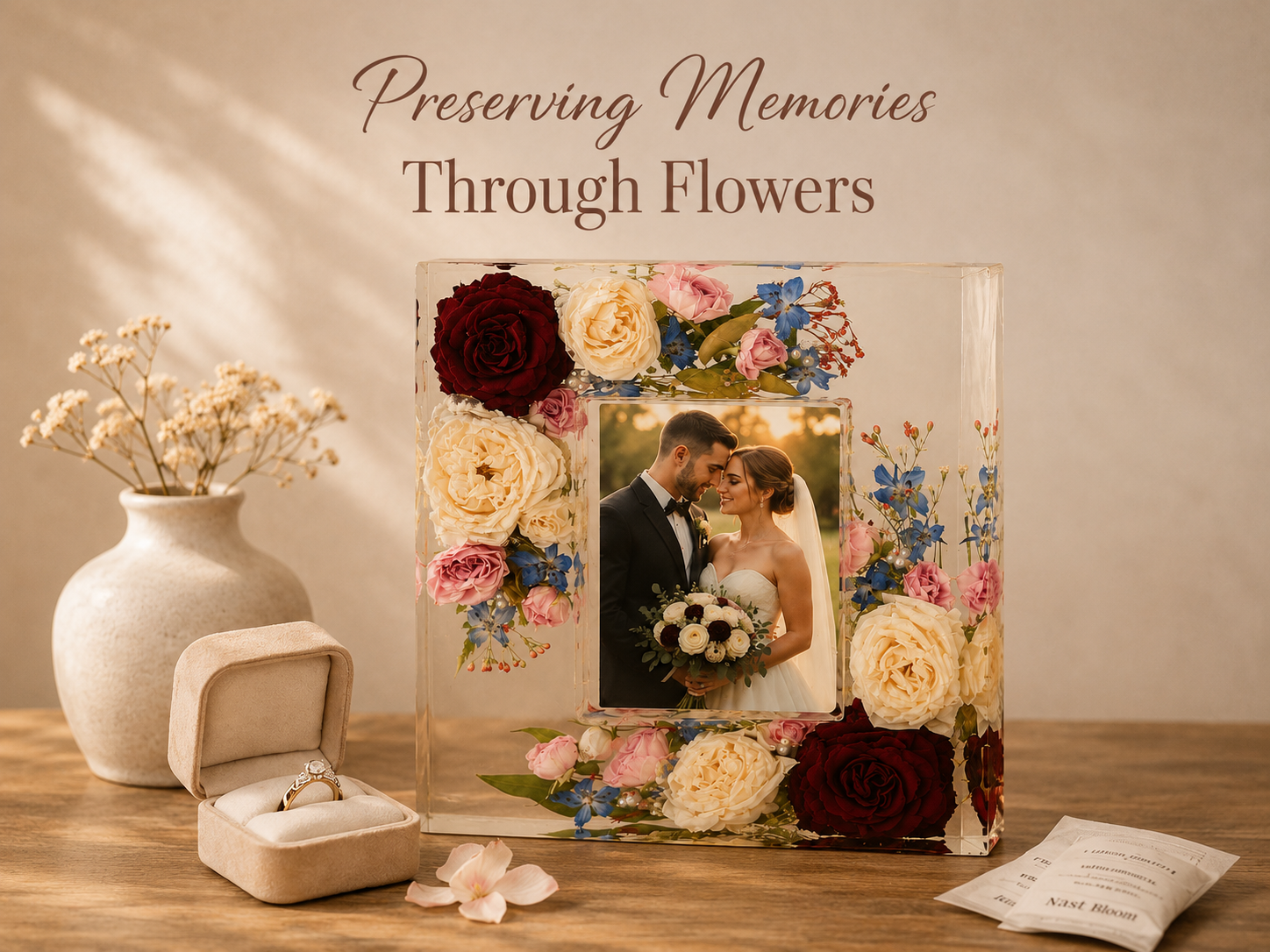
Preserving Memories That Bloom Forever
Every flower tells a story — of love, celebration, or farewell. At Nast Bloom, we believe those stories deserve to last. Through the art of
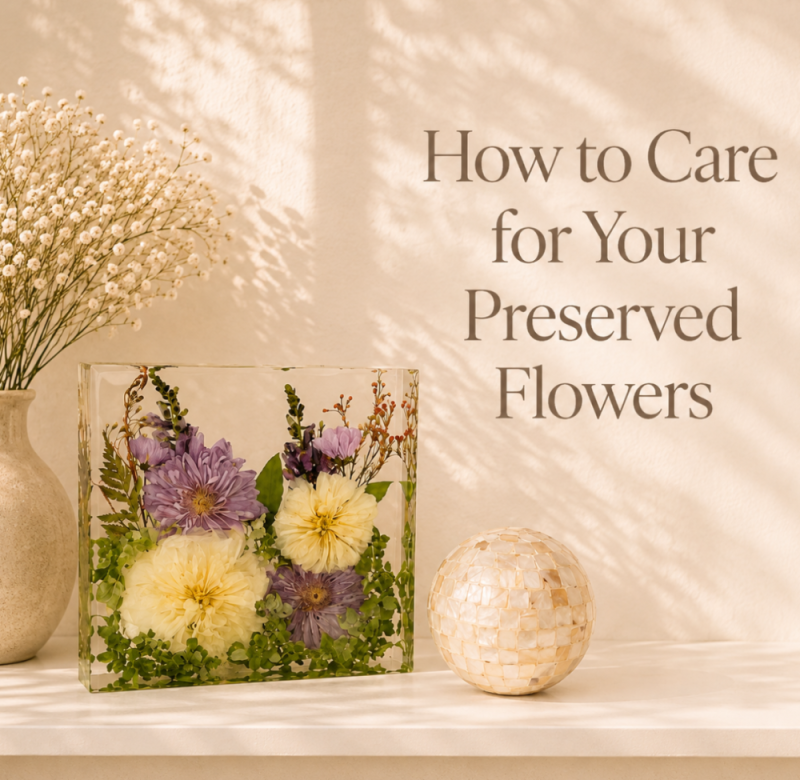
How to Care for Preserved Flowers | Nast Bloom
Learning how to care for preserved flowers is important if you want your resin keepsake to stay beautiful for many years. Whether you have a wedding bouquet preservation piece, memorial flower keepsake, resin floral block, ring holder, tray, coasters, or custom resin letters, proper care can help protect both the resin and the natural flowers inside.
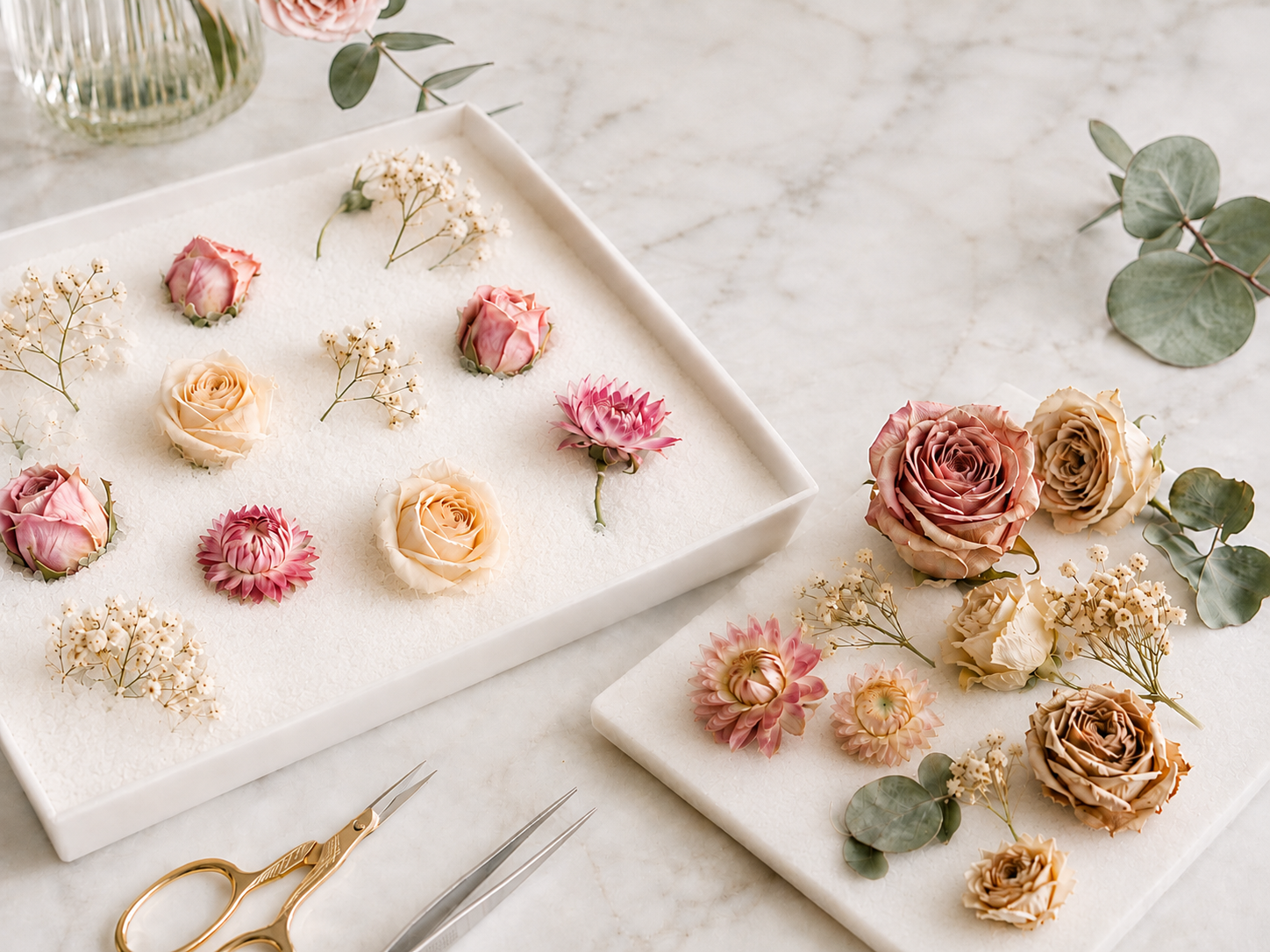
Flower Preservation in Resin: Why Flowers Must Be Completely Dry
Flower preservation in resin is a beautiful way to transform wedding bouquets, memorial flowers, and other meaningful arrangements into lasting keepsakes. However, before flowers can


