
Flower Preservation in Resin: Why Flowers Must Be Completely Dry
Flower preservation in resin is a beautiful way to transform wedding bouquets, memorial flowers, and other meaningful arrangements into lasting keepsakes. However, before flowers can be placed into resin, they must be completely dry. Any moisture trapped inside the petals or flower centers can cause discoloration, cloudiness, bubbles, mold, and problems with the resin curing process.
Whether you are searching for wedding flower preservation, bridal bouquet preservation, memorial flower preservation, or a custom way to preserve flowers from an anniversary, graduation, quinceañera, baby shower, funeral, or other important event, proper flower preparation is essential.
At Nast Bloom, we specialize in professional flower preservation in resin in Oviedo, Florida, serving customers throughout Orlando, Central Florida, Seminole County, Winter Park, Lake Mary, Sanford, Winter Springs, Altamonte Springs, Kissimmee, Clermont, and surrounding areas.
One of the most important steps in the resin flower preservation process happens before the resin is mixed: every flower must be completely dry before it is placed inside resin.
Can Fresh Flowers Be Put Directly Into Resin?
Fresh flowers should not be placed directly into epoxy resin.
Fresh flowers naturally contain water inside their petals, stems, leaves, and centers. Even when a flower looks dry on the outside, moisture may still be trapped inside the bloom.
Resin creates a sealed environment. Once a flower is placed inside a resin mold, any remaining moisture becomes trapped. This can cause discoloration, cloudiness, bubbles, decay, mold, or curing problems.
For the best results, flowers must go through a careful flower drying and preservation process before resin casting begins.
Why Do Flowers Need to Be Completely Dry Before Resin?
Drying flowers completely is one of the most important parts of creating a clear, durable, and beautiful resin flower keepsake.
Properly dried flowers are less likely to release moisture into the resin. This helps protect the clarity of the epoxy and improves the overall appearance of the finished preservation piece.
Complete drying is especially important when preserving:
- Wedding bouquets
- Bridal flowers
- Bridesmaid bouquets
- Memorial flowers
- Funeral flowers
- Anniversary flowers
- Engagement flowers
- Prom corsages and boutonnieres
- Graduation flowers
- Baby shower flowers
- Quinceañera bouquets
- Sweet sixteen flowers
- Valentine’s Day flowers
- Mother’s Day flowers
- Flowers from a loved one
- Flowers from a special celebration
Whether the final design is a resin flower block, floral arch, resin letter, ring holder, serving tray, coaster set, bookend, hexagon block, floral display piece, or custom resin keepsake, the flowers must be properly dried first.
What Happens If Flowers Are Not Fully Dry Before Resin?
Using fresh or partially dried flowers can create permanent problems inside the finished resin piece.
Flowers May Turn Brown or Discolor
Moisture trapped inside flowers can cause petals to become brown, yellow, dark, transparent, or unevenly colored.
The discoloration may not appear immediately. A resin piece can look clear at first and begin changing after it has cured.
This is why professional wedding bouquet preservation in resin requires patience and careful preparation.
Resin May Become Cloudy
Moisture can interfere with the crystal-clear appearance of epoxy resin.
Instead of producing a polished and transparent flower keepsake, the resin may develop:
- Cloudy areas
- Milky spots
- Hazy sections
- White marks
- Moisture pockets
- Uneven transparency
Complete flower drying helps create the clear finish customers expect from a high-quality custom resin flower preservation service.
Bubbles May Form Around the Flowers
Flowers naturally contain air between their petals and inside their centers. When resin reaches the flowers, that trapped air can escape and create bubbles.
Moisture can make this problem worse.
Dense flowers such as roses, peonies, carnations, ranunculus, dahlias, hydrangeas, sunflowers, orchids, lilies, and chrysanthemums may hold air and moisture deep inside their petals.
Although bubbles are a natural challenge when working with real flowers and resin, proper drying and careful resin pouring help reduce them.
Mold or Decay May Develop
Organic material can begin to decompose when moisture remains trapped inside it.
Once flowers are sealed inside cured resin, mold, rot, or decay cannot be removed or repaired without damaging the entire piece.
Completely drying the bouquet helps protect the flowers and improve the longevity of the keepsake.
Resin May Not Cure Correctly
Excess moisture can interfere with the epoxy resin curing process.
This may cause:
- Soft or sticky areas
- Cloudy resin
- Separation around the flowers
- Weak spots
- Surface imperfections
- Uneven curing
Professional resin flower preservation requires controlled temperatures, carefully measured resin, proper mixing, multiple resin layers, bubble removal, flower placement, curing time, sanding, polishing, and finishing.
However, none of those steps can correct a flower that was placed into resin while it was still wet.
How Are Flowers Dried for Resin Preservation?
There are several ways to dry flowers, but the best method depends on the flower variety, size, thickness, and desired final appearance.
Common flower drying methods include:
- Silica gel drying
- Air drying
- Flower pressing
- Dehydration
- Hanging flowers upside down
- Microwave flower drying
- Professional floral drying techniques
For three-dimensional resin flower preservation, drying flowers in silica gel is one of the most effective methods.
What Is Silica Gel Flower Drying?
Silica gel is a moisture-absorbing material used to gently remove water from flowers.
The flowers are carefully placed inside a container and surrounded with silica crystals. The crystals support the petals while drawing out moisture.
This method can help flowers maintain more of their natural:
- Shape
- Volume
- Petal structure
- Texture
- Color
- Three-dimensional appearance
Silica gel flower drying is commonly used for preserving bridal bouquets, roses, peonies, ranunculus, carnations, daisies, orchids, hydrangeas, baby’s breath, greenery, and other sentimental flowers.
Each flower must be placed carefully so the silica gel does not crush, fold, or damage the petals.
How Long Does It Take to Dry Flowers for Resin?
The flower drying process can take several weeks.
There is no single drying time that works for every bouquet because each flower is different.
Drying time depends on:
- Flower type
- Flower size
- Petal thickness
- Density of the flower center
- Condition of the flowers
- Age of the bouquet
- Humidity
- Temperature
- Drying method
- Amount of moisture inside the bloom
Small filler flowers and delicate petals may dry more quickly. Thick flowers with tightly layered petals may require considerably more time.
Roses, peonies, carnations, dahlias, ranunculus, chrysanthemums, and other dense blooms can appear dry on the outside while still containing moisture in the center.
At Nast Bloom, we do not rush this important stage. Proper drying helps protect the quality of your wedding bouquet resin preservation and gives the flowers the best chance of becoming a beautiful long-lasting keepsake.
How Can You Tell When Flowers Are Completely Dry?
A properly dried flower should feel dry throughout the entire bloom.
The petals may feel:
- Crisp
- Lightweight
- Dry
- Papery
- Firm
- Delicate
The flower should not feel:
- Cool
- Damp
- Heavy
- Soft
- Flexible
- Spongy
The flower’s center must also be checked carefully. A thick center can hold hidden moisture even after the outer petals have dried.
Each bloom should be evaluated before it is approved for placement inside resin.
Do Flowers Change Color During Preservation?
Yes. Real flowers can naturally change during drying and resin preservation.
Flower preservation does not freeze a bouquet exactly as it appeared on the wedding day. Flowers are organic materials, and each variety reacts differently to drying, heat, light, silica gel, and epoxy resin.
Possible natural color changes include:
- White flowers becoming ivory or cream
- Pink flowers becoming deeper or softer
- Red flowers becoming burgundy or darker
- Purple flowers becoming deeper
- Blue flowers becoming muted
- Greenery becoming darker or olive-toned
- Delicate petals becoming slightly transparent
- Flowers developing an antique appearance
Some flowers preserve their color better than others. The condition of the bouquet when it arrives also affects the final result.
The fresher the flowers are when the preservation process begins, the better the opportunity to preserve their natural beauty.
When Should You Deliver Your Wedding Bouquet for Preservation?
For the best wedding flower preservation results, the bouquet should be delivered or shipped as soon as possible after the event.
Flowers naturally begin to wilt, bruise, discolor, and lose petals after they are removed from water.
While waiting to deliver your bouquet:
- Keep the flowers in clean water
- Store them in a cool indoor area
- Avoid direct sunlight
- Avoid leaving them inside a hot vehicle
- Do not place them in a freezer
- Remove damaged or decaying foliage when necessary
- Contact your flower preservation artist quickly
Customers looking for wedding bouquet preservation near Orlando, flower preservation near Oviedo, or resin flower preservation in Central Florida should reserve their date before the wedding whenever possible.
Booking in advance helps ensure availability and allows you to learn how to care for your flowers immediately after the event.
Which Flowers Can Be Preserved in Resin?
Many types of flowers can be dried and preserved in epoxy resin, including:
- Roses
- Peonies
- Ranunculus
- Carnations
- Hydrangeas
- Orchids
- Dahlias
- Sunflowers
- Daisies
- Chrysanthemums
- Lilies
- Baby’s breath
- Snapdragons
- Delphinium
- Eucalyptus
- Ferns
- Greenery
- Wildflowers
- Tropical flowers
- Artificial flowers
- Pressed flowers
However, every flower behaves differently during drying and resin casting.
Some delicate or moisture-heavy flowers may experience more color or texture changes. A professional flower preservation artist can select the best blooms from the bouquet and design a keepsake that highlights their natural beauty.
What Can You Make With Preserved Wedding Flowers?
Your wedding bouquet can be transformed into a variety of personalized resin keepsakes.
Popular flower preservation products include:
- Custom resin floral blocks
- Wedding bouquet resin blocks
- Resin flower arches
- Floral ring holders
- Resin initials
- Resin letters
- Newlywed initial sets
- Floral hexagon blocks
- Resin serving trays
- Floral coaster sets
- Resin bookends
- Memorial flower keepsakes
- Custom display pieces
- Wedding invitation flower blocks
- Bouquet and invitation preservation
- Resin paperweights
- Anniversary gifts
- Bridal shower gifts
- Wedding gifts
- Memorial gifts
- Family heirlooms
Your preservation piece can also include meaningful personal items such as:
- Wedding invitations
- Vow cards
- Photographs
- Ribbons
- Lace
- Boutonnieres
- Jewelry
- Rings
- Medallions
- Charms
- Religious items
- Name cards
- Small keepsakes
The final design depends on the size and condition of the flowers, the resin mold selected, and the customer’s personal style.
Why Professional Flower Preservation Matters
Resin flower preservation is a detailed process that requires experience, patience, specialized materials, and careful attention.
A professional preservation service must consider:
- The condition of the flowers
- The best drying method
- Hidden moisture
- Flower color changes
- Arrangement design
- Resin temperature
- Resin depth
- Pouring schedule
- Bubble removal
- Flower movement
- Dust protection
- Curing conditions
- Sanding
- Polishing
- Top coating
- Final finishing
A preservation piece may require multiple resin layers poured over several days or weeks.
Each flower is arranged by hand. The goal is to create a balanced composition while protecting delicate petals and capturing the story behind the bouquet.
Why Proper Flower Drying Creates a Better Resin Keepsake
A beautiful resin flower keepsake begins long before the first layer of epoxy resin is poured.
Complete flower drying helps:
- Reduce trapped moisture
- Prevent mold and decay
- Reduce discoloration
- Improve resin clarity
- Reduce cloudiness
- Minimize bubbles
- Protect the flowers
- Improve curing
- Create a stronger finished piece
- Support long-term preservation
Drying flowers is not simply an extra step. It is the foundation of the entire preservation process.
Rushing this stage may place the bouquet and the final keepsake at risk.
Wedding Flower Preservation in Oviedo and Orlando, Florida
Nast Bloom offers custom wedding flower preservation in Oviedo, Florida, serving brides and families throughout Orlando and Central Florida.
Our flower preservation services are ideal for customers searching for:
- Wedding bouquet preservation near me
- Flower preservation near me
- Resin flower preservation near me
- Bridal bouquet preservation near Orlando
- Wedding flower preservation in Orlando
- Wedding bouquet preservation in Central Florida
- Resin flower preservation in Oviedo
- Memorial flower preservation in Florida
- Custom resin keepsakes in Orlando
- Bouquet preservation in Seminole County
- Wedding flower keepsakes in Florida
- Orlando wedding bouquet preservation
- Oviedo wedding vendors
- Central Florida wedding vendors
- Orlando resin artist
- Florida flower preservation artist
Each piece is designed and created by hand using your real flowers.
Preserve the Flowers From Your Most Meaningful Moments
Your flowers represent more than one day. They hold memories of the people, places, emotions, and moments connected to your celebration.
Instead of allowing your bouquet to fade away, you can transform it into a custom keepsake that can be displayed in your home for years.
At Nast Bloom, every bouquet is handled with care throughout the drying, design, resin casting, sanding, polishing, and finishing process.
We preserve flowers from:
- Weddings
- Memorial services
- Funerals
- Anniversaries
- Engagements
- Graduations
- Quinceañeras
- Sweet sixteen celebrations
- Baby showers
- Bridal showers
- Birthdays
- Religious celebrations
- Special gifts
- Meaningful life events
Reserve your flower preservation date and transform your wedding bouquet, memorial arrangement, or meaningful flowers into a one-of-a-kind resin keepsake.
Visit Nast Bloom to explore our custom flower preservation options and begin creating a lasting memory from your special flowers.
Frequently Asked Questions About Resin Flower Preservation
Can you preserve an old or already dried wedding bouquet?
In many cases, yes. Already dried flowers can sometimes be preserved in resin, depending on their condition. Extremely fragile, dusty, moldy, or damaged flowers may require special handling.
Can I ship my flowers for preservation?
Flowers may be shipped when properly packaged and sent as quickly as possible. Contact the preservation artist before shipping to receive specific packing and delivery instructions.
How soon should I book wedding bouquet preservation?
It is best to reserve your date before your wedding. This helps ensure availability and gives you time to learn how to care for and transport your bouquet after the celebration.
Will my flowers look exactly the same after preservation?
Real flowers naturally change during drying and resin casting. Colors, textures, and transparency may shift. These natural variations make every preservation piece unique.
How long does resin flower preservation take?
The process may take several weeks or months depending on the drying time, product size, number of resin layers, curing schedule, finishing work, and current order volume.
Can you preserve memorial flowers?
Yes. Memorial flowers can be transformed into personalized resin keepsakes for family members and loved ones.
Can wedding invitations be preserved with flowers?
Yes. Depending on the size of the selected piece, wedding invitations, vow cards, ribbons, photographs, and other flat keepsakes may be included with the preserved flowers.
Where is Nast Bloom located?
Nast Bloom is based in Oviedo, Florida, and serves customers throughout Orlando, Central Florida, and beyond.
What do you think?
Related Articles

Preserving Memories That Bloom Forever
Every flower tells a story — of love, celebration, or farewell. At Nast Bloom, we believe those stories deserve to last. Through the art of
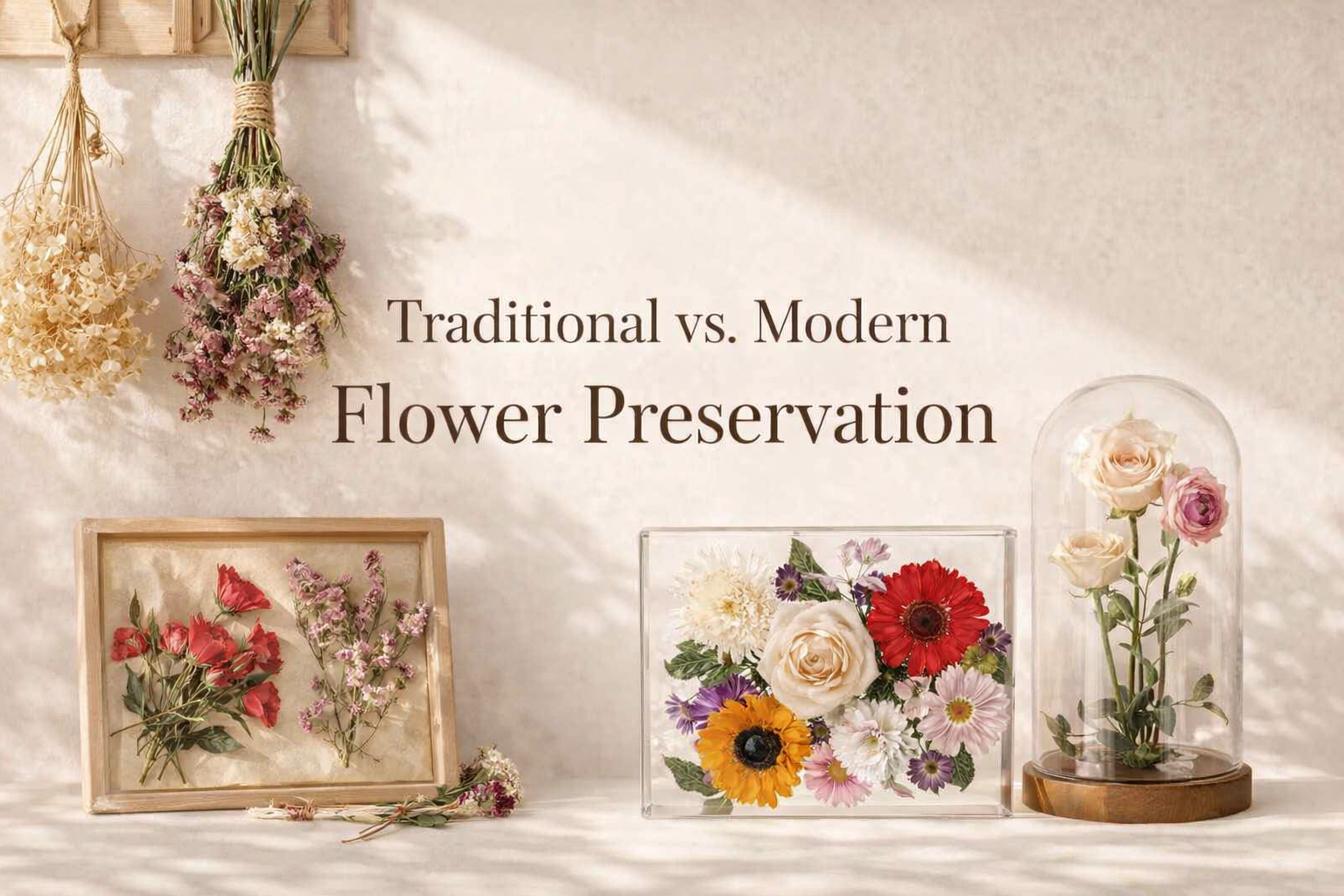
Traditional vs. Modern Flower Preservation
Flowers capture fleeting moments of beauty, but with the right preservation methods, they can become timeless keepsakes. From age old traditions to cutting edge innovations,
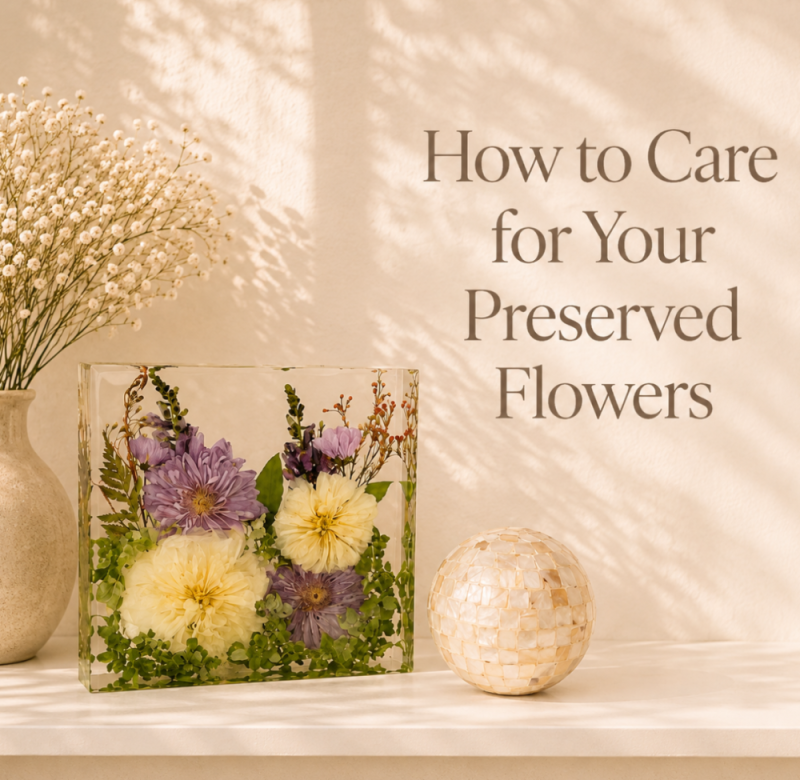
How to Care for Preserved Flowers | Nast Bloom
Learning how to care for preserved flowers is important if you want your resin keepsake to stay beautiful for many years. Whether you have a wedding bouquet preservation piece, memorial flower keepsake, resin floral block, ring holder, tray, coasters, or custom resin letters, proper care can help protect both the resin and the natural flowers inside.


